1. General Rules for All Undergarments
Wash in cold water to prevent shrinking, fading, and fabric breakdown.
Use a gentle detergent (free of bleach and harsh enzymes).
Avoid fabric softeners — they reduce elasticity and can trap odors.
Air dry whenever possible; heat breaks down elastic fibers quickly.
Wash after each wear, especially items that sit close to the skin.
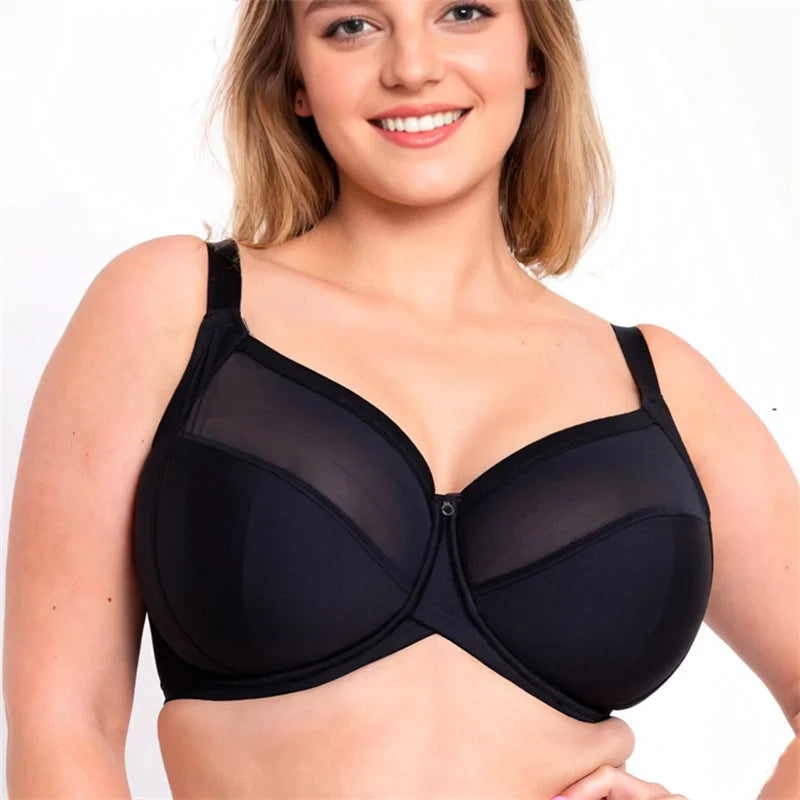
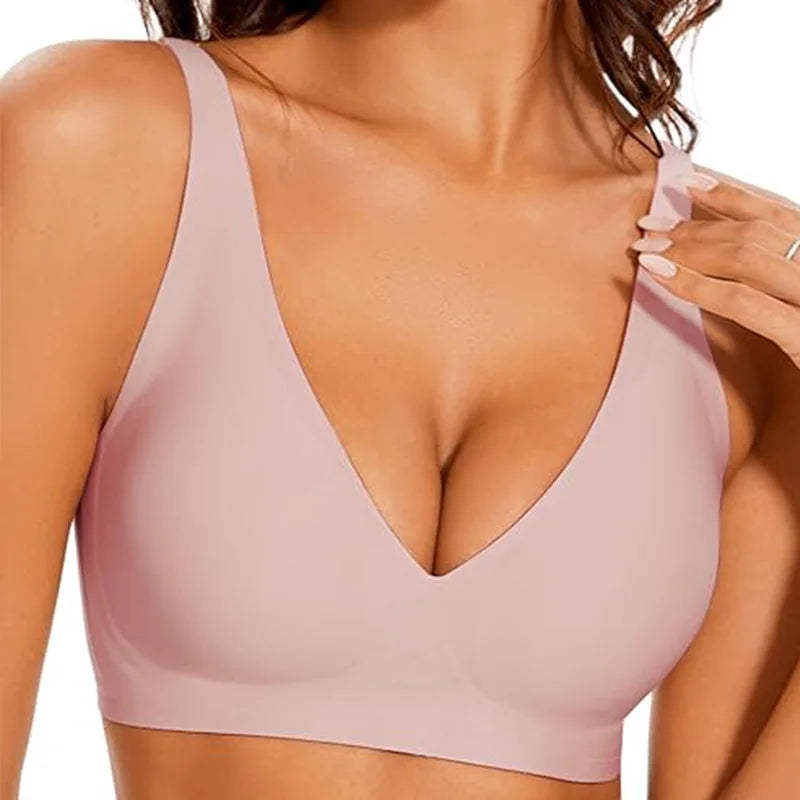
2. Bras
Washing
Hand wash is best: soak in cool water with gentle detergent, gently agitate, rinse.
If using a machine:
Hook the bra closed.
Place in a mesh lingerie bag.
Wash on delicate cycle, cold water.
Drying
Never tumble dry.
Lay flat or hang from the center (not the straps) to avoid stretching.
Storage
Molded-cup bras: stack cups, don’t invert them.
Lace and bralettes: fold gently; avoid crushing.
3. Underwear (Cotton, Microfiber, Modal, Lace)
Washing
Machine wash cold on gentle.
For lace or delicate trims, use a mesh bag.
Drying
Air dry to preserve stretch and prevent fabric wear.
Special Notes
Cotton underwear can handle higher temperatures occasionally, but frequent hot washes reduce life span.
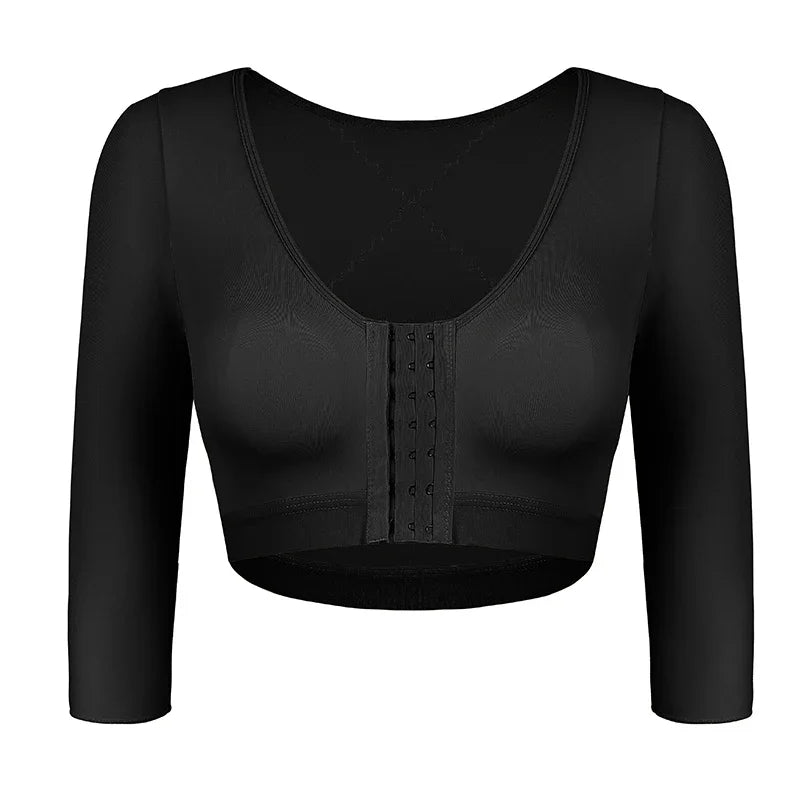
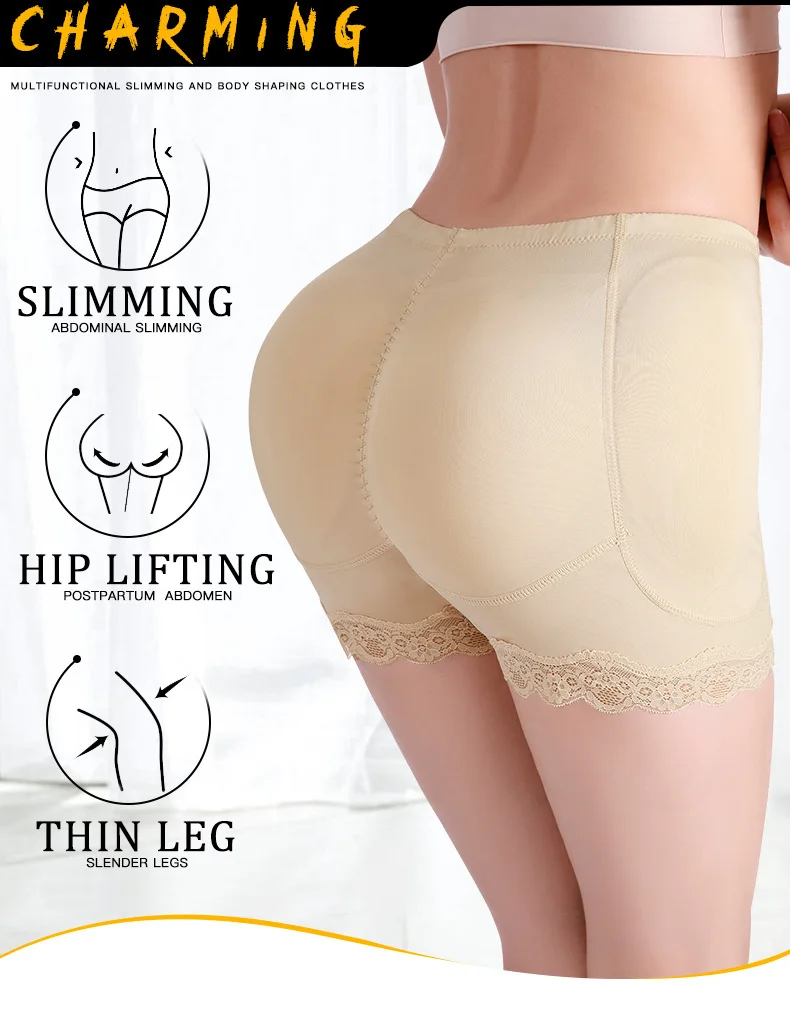
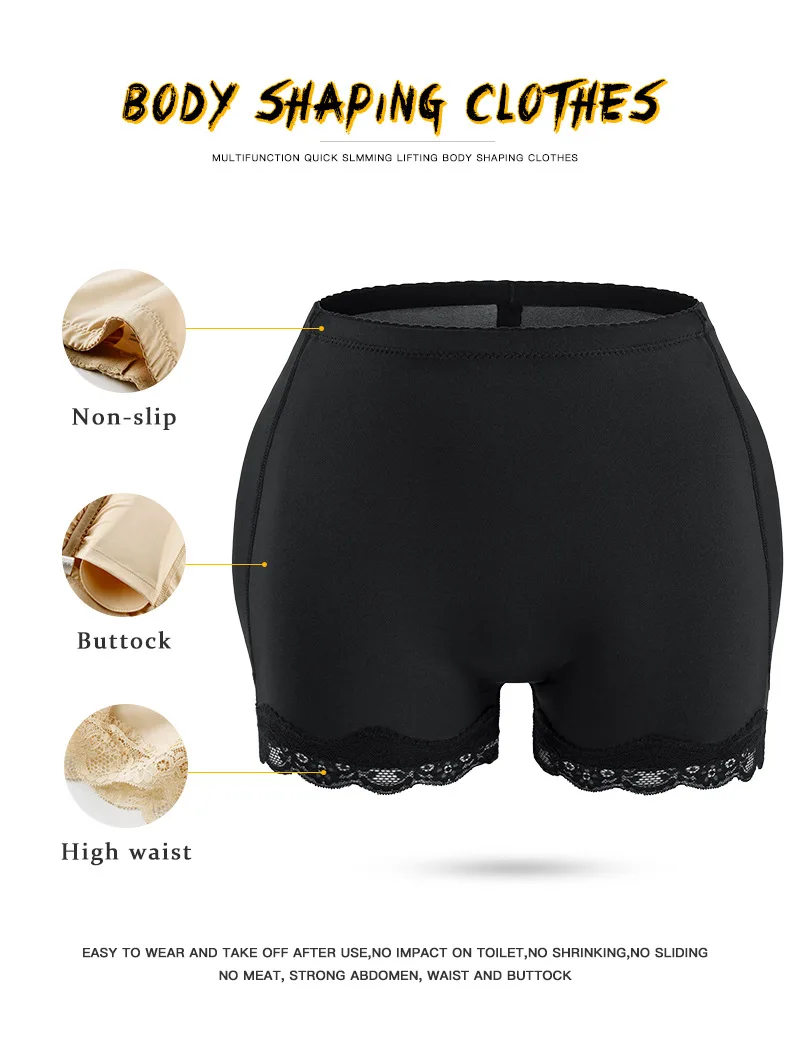
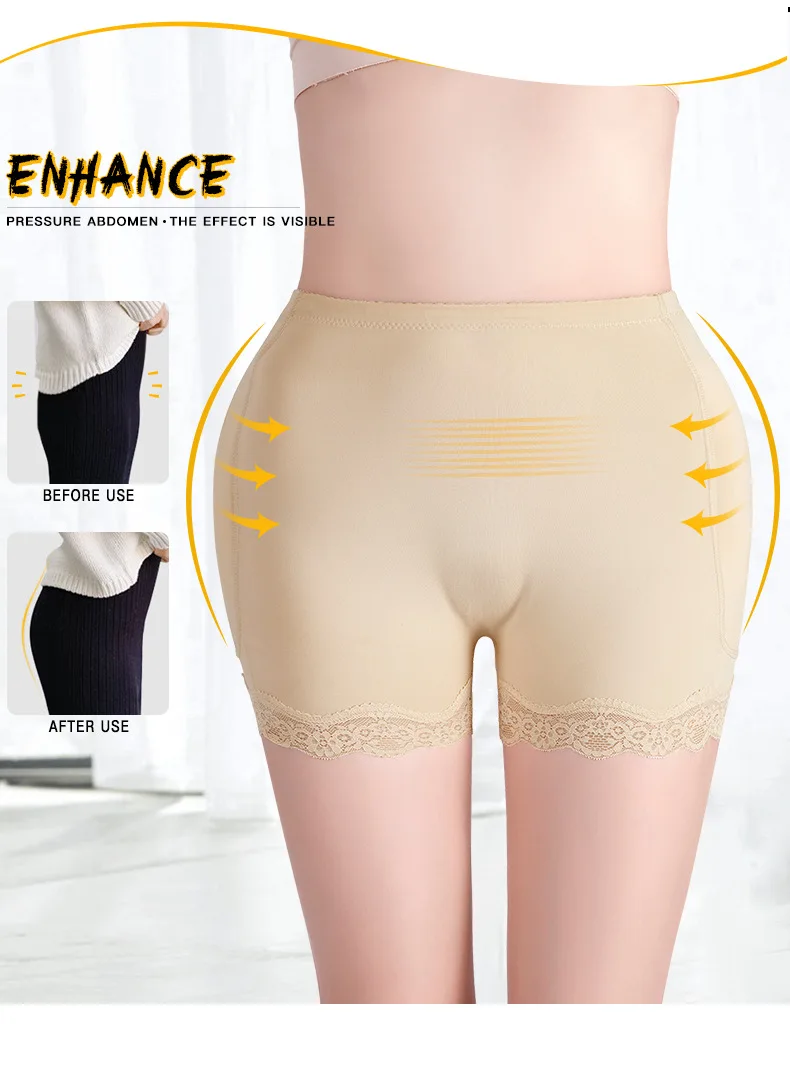
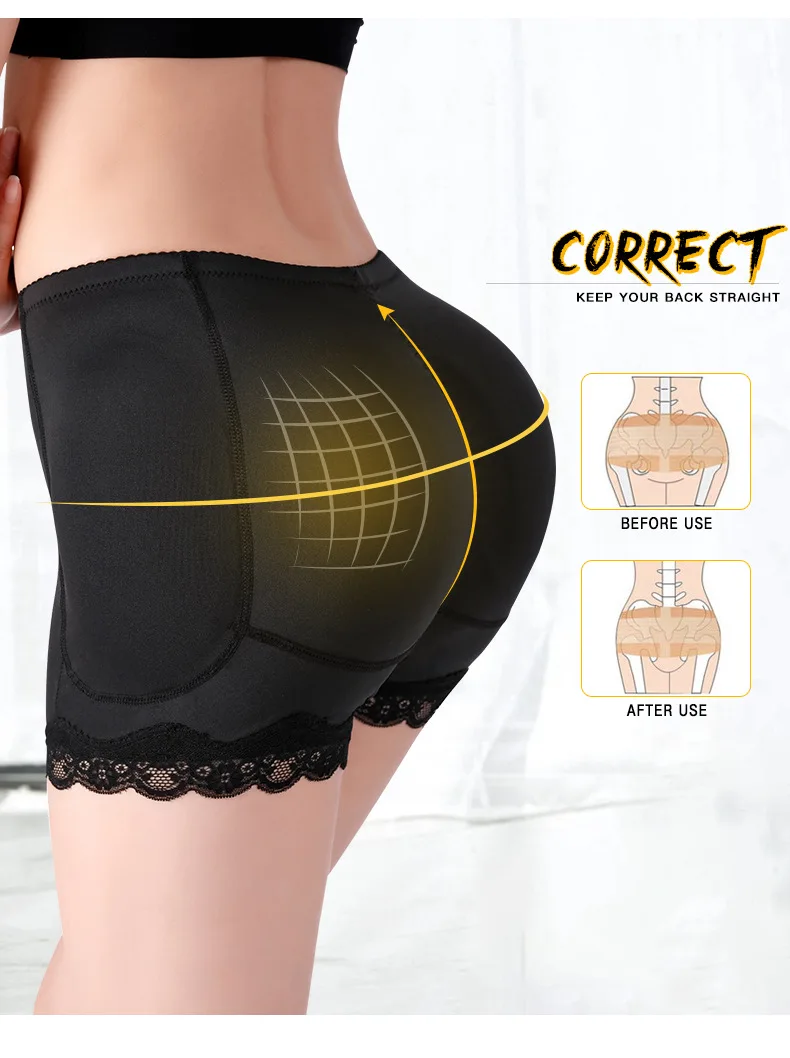
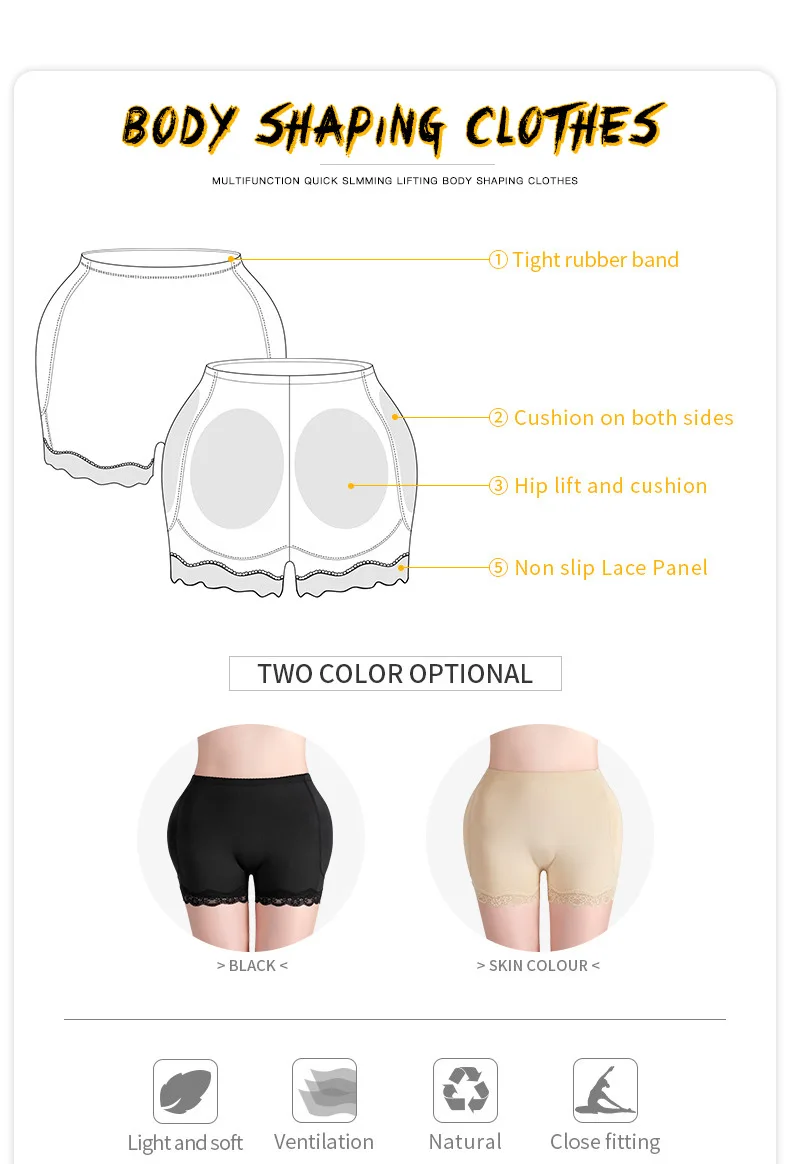
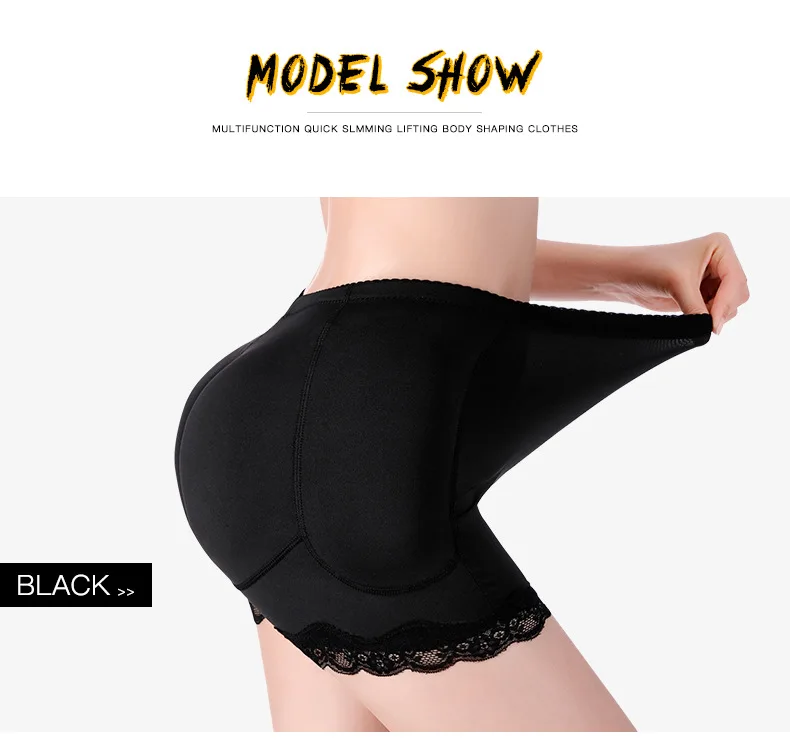
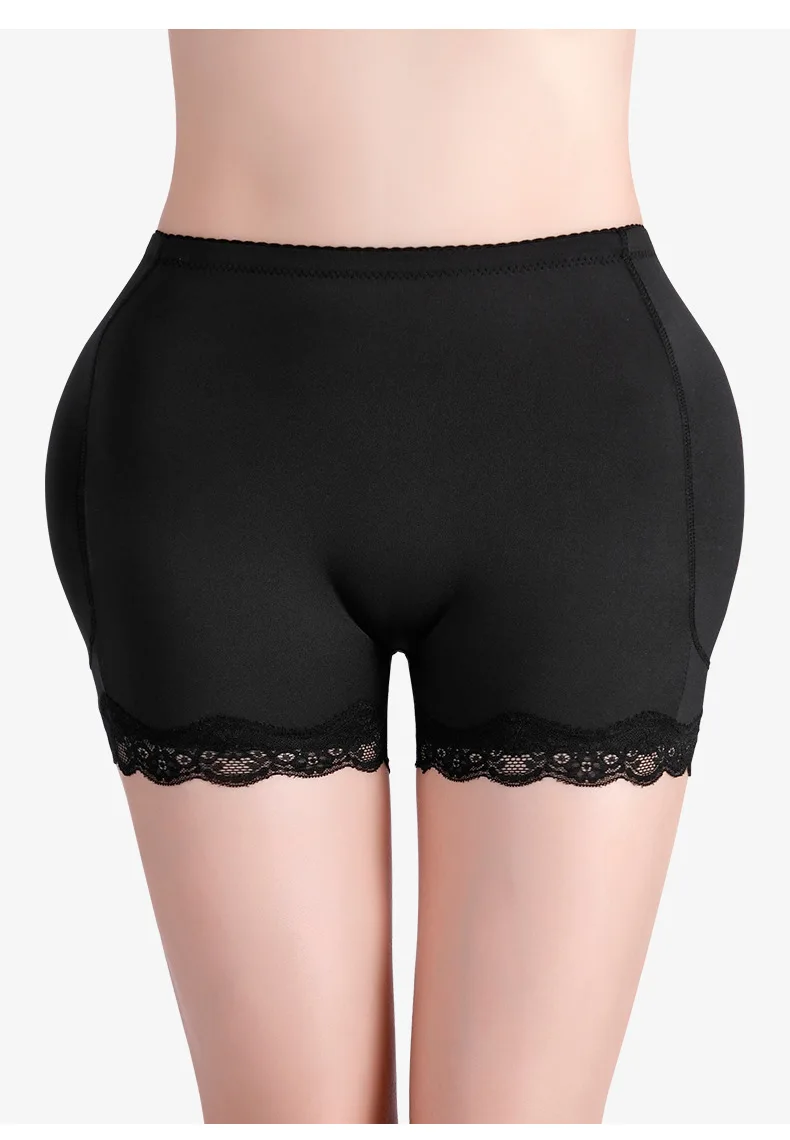
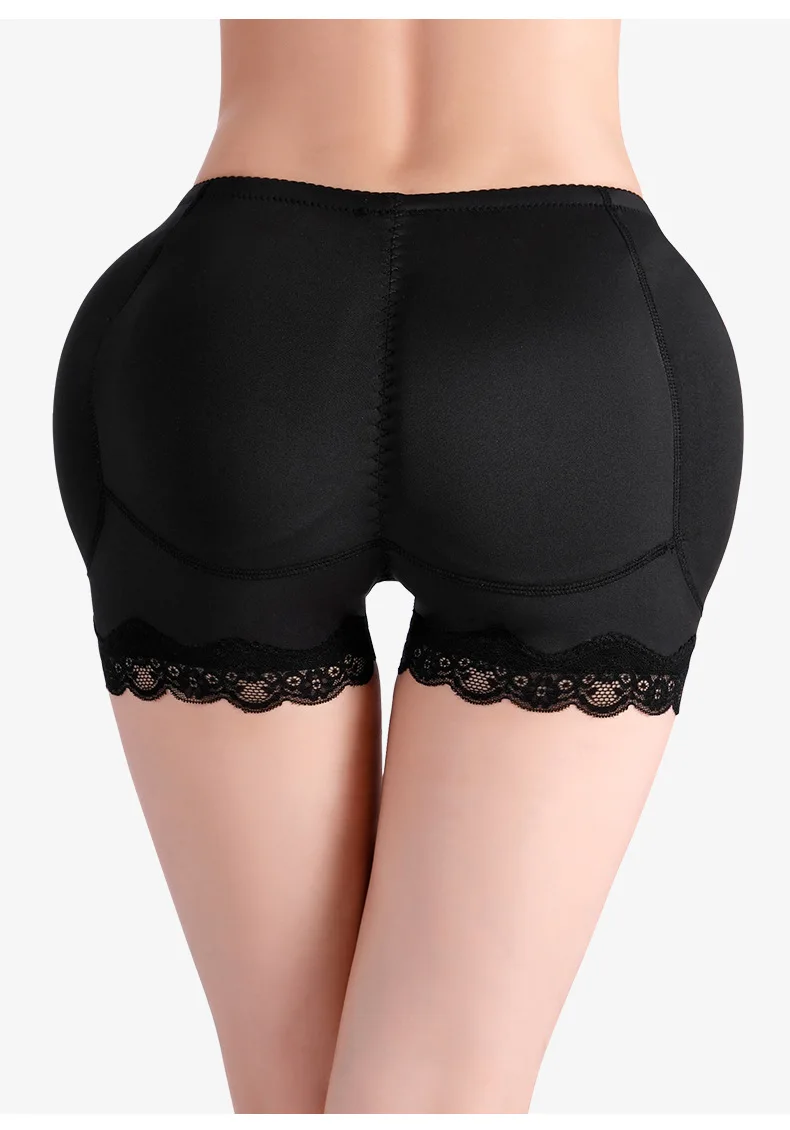
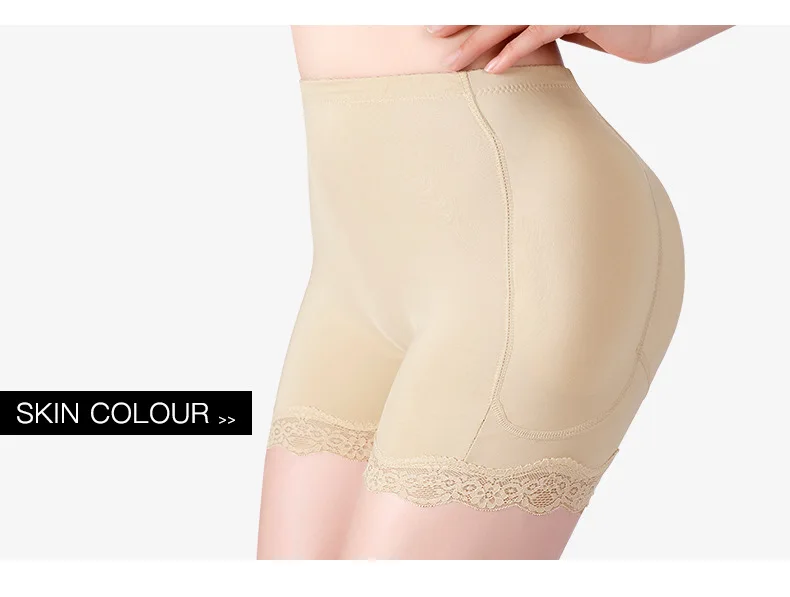
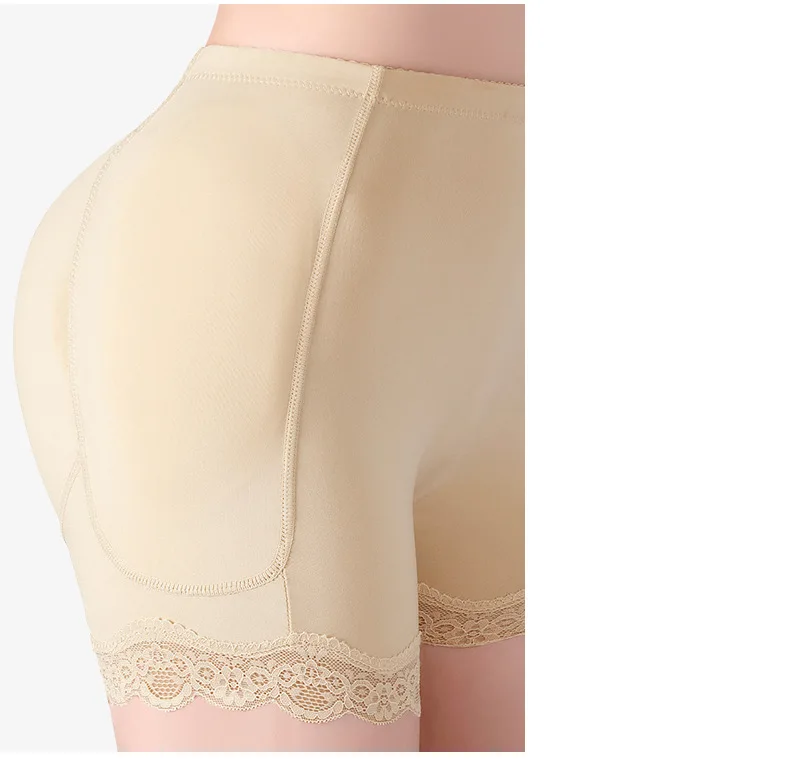
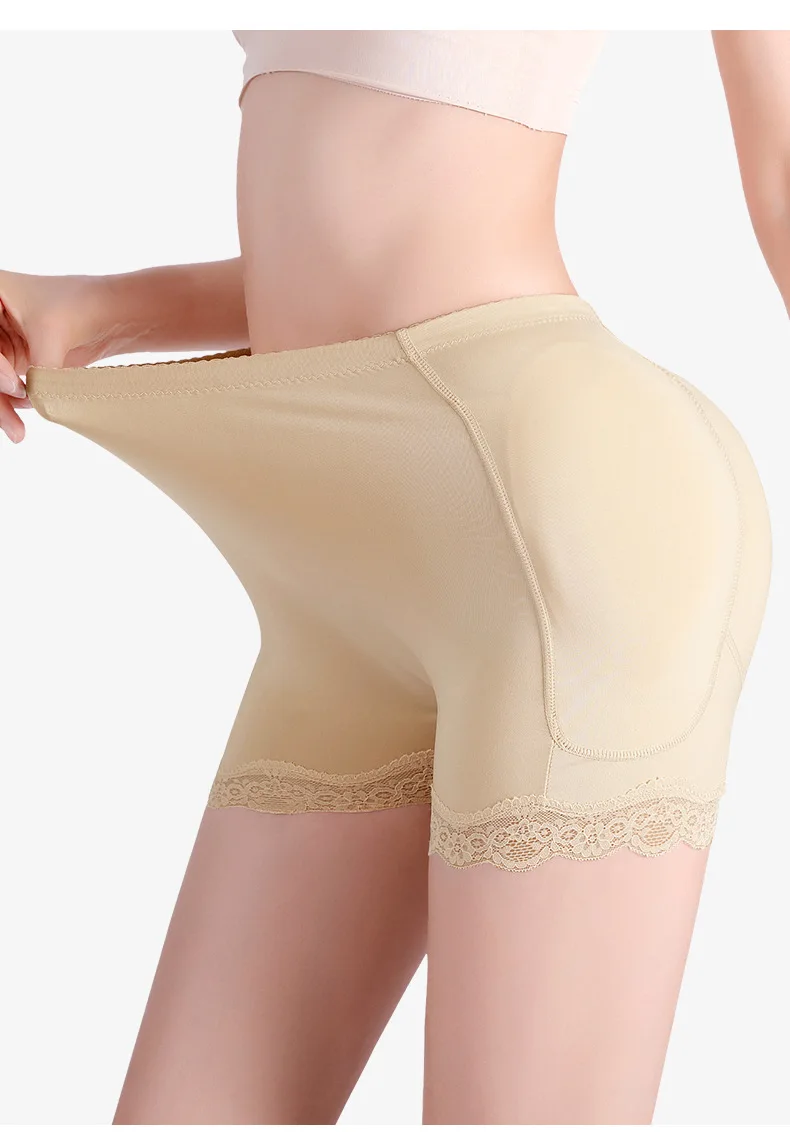
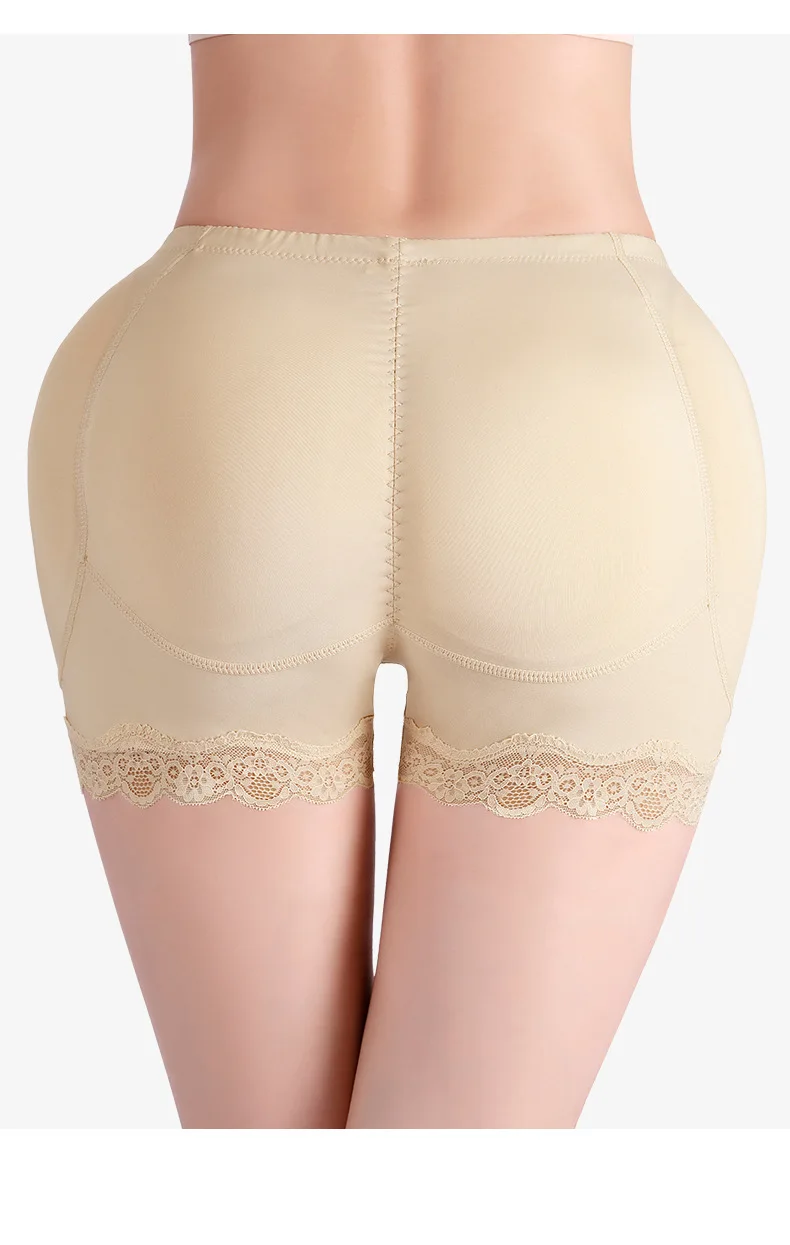
4. Shapewear (Spandex, Compression, Sculpting Fabrics)
Shapewear relies heavily on elastic and compression fibers, which are heat-sensitive.
Washing
Wash by hand, or delicate cycle in a mesh bag.
Use cold water ONLY — heat destroys compression.
Drying
Air dry flat.
Avoid sun exposure (UV weakens elastic).
Do Not
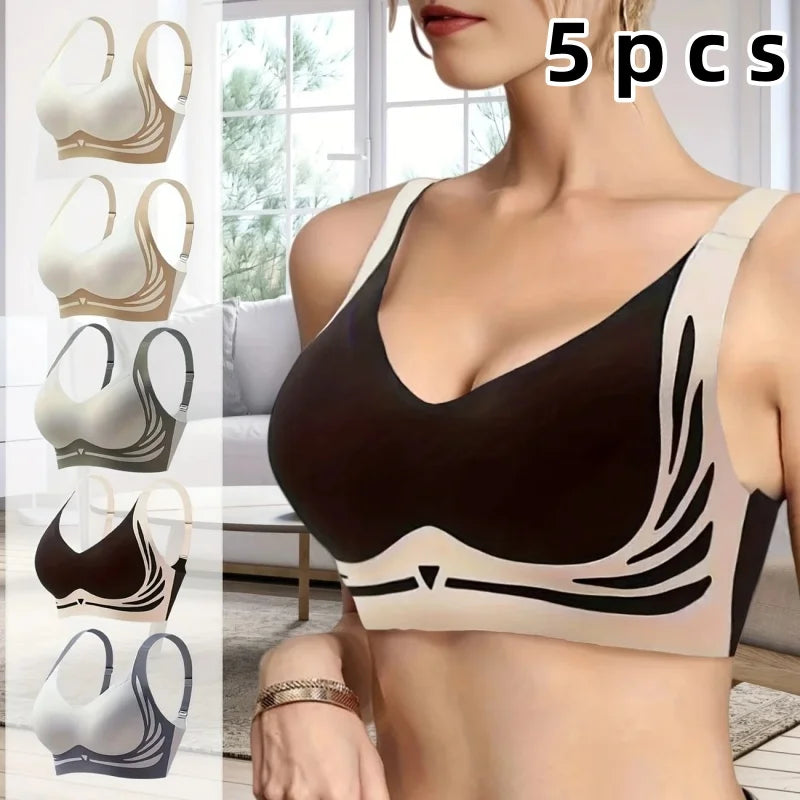
5. Activewear (Sports Bras, Compression Shorts, Leggings)
These fabrics are usually polyester/spandex blends designed for sweat-wicking.
Washing
Turn inside out to remove sweat/salt buildup.
Wash cold, gentle cycle.
Skip fabric softener—clogs sweat-wicking fibers.
Odor Control
Add a splash of white vinegar or use a detergent formulated for activewear.
Drying
Air dry to maintain elasticity and performance.
6. Specialty Fabrics
Silk
Use a silk-safe detergent.
Hand wash only; no twisting/ringing.
Lay flat to dry away from sunlight.
Wool/Merino Undergarments
Wash with wool detergent on cold gentle cycle.
Lay flat to dry.
Lace
Always use a mesh bag or hand wash.
Air dry only.
7. Color & Fabric Sorting Tips
Sort by:
Lights, darks, and brights
Fabric weight (delicates separate from heavy items)
Type (athletic, delicates, everyday cotton)
Wash delicates separately from items with zippers/Velcro, which can snag.
8. Storage
Keep undergarments in a cool, dry drawer.
Use drawer dividers to protect delicate pieces.
Avoid overstuffing drawers—compression damages elastic.
9. Replacement Timeline
(This varies by brand quality, usage, and care.)
Bras: every 6–12 months
Underwear: every 6–9 months
Shapewear: 6 months if worn frequently
Sports bras: every 6–12 months depending on intensity1. General Rules for All Undergarments
Wash in cold water to prevent shrinking, fading, and fabric breakdown.
Use a gentle detergent (free of bleach and harsh enzymes).
Avoid fabric softeners — they reduce elasticity and can trap odors.
Air dry whenever possible; heat breaks down elastic fibers quickly.
Wash after each wear, especially items that sit close to the skin.
2. Bras
Washing
Hand wash is best: soak in cool water with gentle detergent, gently agitate, rinse.
If using a machine:
Hook the bra closed.
Place in a mesh lingerie bag.
Wash on delicate cycle, cold water.
Drying
Never tumble dry.
Lay flat or hang from the center (not the straps) to avoid stretching.
Storage
Molded-cup bras: stack cups, don’t invert them.
Lace and bralettes: fold gently; avoid crushing.
3. Underwear (Cotton, Microfiber, Modal, Lace)
Washing
Machine wash cold on gentle.
For lace or delicate trims, use a mesh bag.
Drying
Air dry to preserve stretch and prevent fabric wear.
Special Notes
Cotton underwear can handle higher temperatures occasionally, but frequent hot washes reduce life span.
4. Shapewear (Spandex, Compression, Sculpting Fabrics)
Shapewear relies heavily on elastic and compression fibers, which are heat-sensitive.
Washing
Wash by hand, or delicate cycle in a mesh bag.
Use cold water ONLY — heat destroys compression.
Drying
Air dry flat.
Avoid sun exposure (UV weakens elastic).
Do Not
5. Activewear (Sports Bras, Compression Shorts, Leggings)
These fabrics are usually polyester/spandex blends designed for sweat-wicking.
Washing
Turn inside out to remove sweat/salt buildup.
Wash cold, gentle cycle.
Skip fabric softener—clogs sweat-wicking fibers.
Odor Control
Add a splash of white vinegar or use a detergent formulated for activewear.
Drying
Air dry to maintain elasticity and performance.
6. Specialty Fabrics
Silk
Use a silk-safe detergent.
Hand wash only; no twisting/ringing.
Lay flat to dry away from sunlight.
Wool/Merino Undergarments
Wash with wool detergent on cold gentle cycle.
Lay flat to dry.
Lace
Always use a mesh bag or hand wash.
Air dry only.
7. Color & Fabric Sorting Tips
Sort by:
Lights, darks, and brights
Fabric weight (delicates separate from heavy items)
Type (athletic, delicates, everyday cotton)
Wash delicates separately from items with zippers/Velcro, which can snag.
8. Storage
Keep undergarments in a cool, dry drawer.
Use drawer dividers to protect delicate pieces.
Avoid overstuffing drawers—compression damages elastic.
9. Replacement Timeline
(This varies by brand quality, usage, and care.)
Bras: every 6–12 months
Underwear: every 6–9 months
Shapewear: 6 months if worn frequently
Sports bras: every 6–12 months depending on intensity